
| Programme: | Interreg VI-A IPA Programme Greece – North Macedonia 2021–2027 |
| Call: | 1st Call for Project Proposals |
| Project ID (MIS): | 6007075 |
| Priority Axis: | PR1 – Transition to a low carbon economy |
| Acronym: | FIREDEFEND (FIRE DETECTION AND ENHANCED FIRE EMERGENCY NETWORK FOR WASTE DISPOSAL) |
| Partners: | 1. Regional Association of Solid Waste Management Agencies in Central Macedonia (FoDSA) (Greece) (Lead Partner) 2. Centre for Development of the South-East Planning Region (CDSEPR) (North Macedonia) |
| Timeline: | Start: 27/08/2025 End: 27/08/2027 |
| Budget: | €1,286,228.04 |
| Website: | https://greece-northmacedonia.eu/project/firedefend/ |
| Contact Info: | info@fodsakm.gr, p.psonopoulos@fodsakm.gr, a.oikonomou@fodsakm.gr phone: 00302311236100 (press 1201, 1210) |
Specific Objective: RSO2.7: “Enhancing protection and preservation of nature, biodiversity and green infrastructure, including in urban areas, and reducing all forms of pollution.”
The Regional Association of Solid Waste Management of Central Macedonia (FoDSA), having the exclusive responsibility for the operation of the Landfills (HYTA) in Edessa, Giannitsa, and Kilkis, is obliged to exercise continuous preventive control for the timely response to fire incidents at the operating front during waste deposition and arrangement. The risk of waste self-ignition, especially during the summer months, always exists.
The installation of a comprehensive early warning system, consisting of portable smart early warning subsystems, will significantly contribute to timely notification during the initial stage of any fire outbreak and to the immediate mobilization of existing resources to ensure the phenomenon is controlled quickly and promptly at its initial stage.
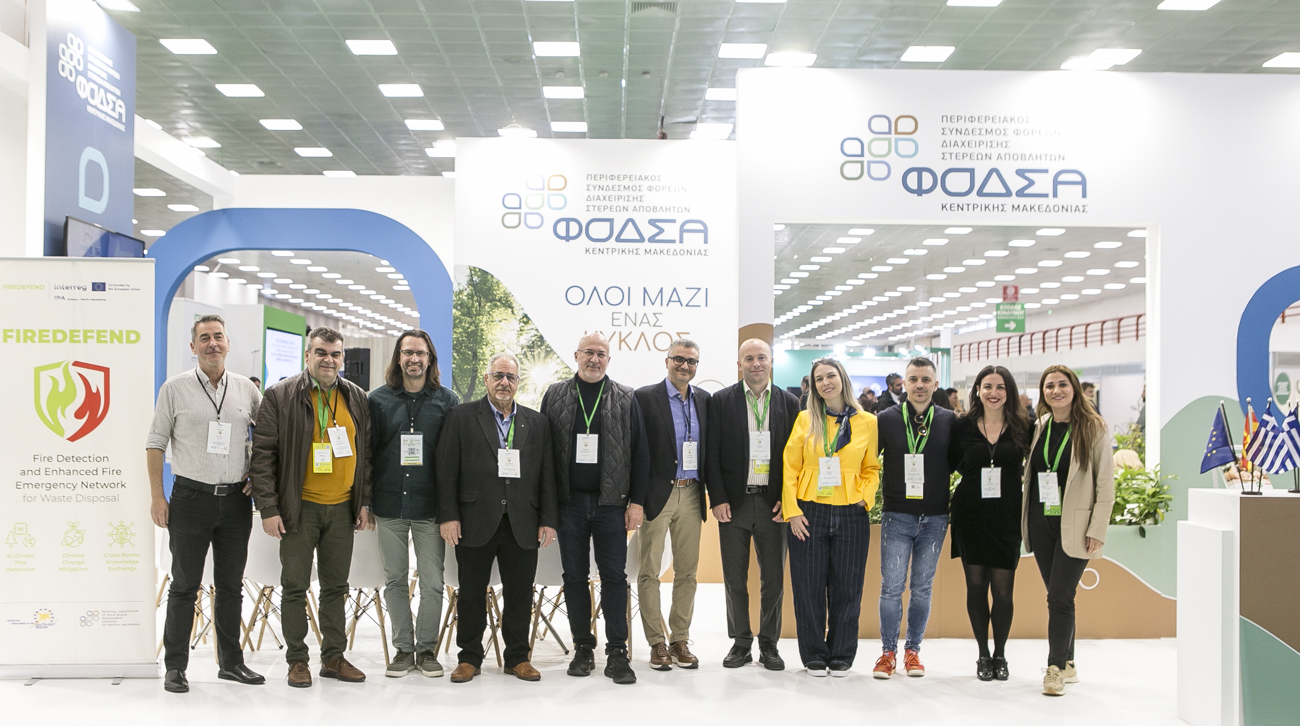
To this end, the Regional Association of Solid Waste Management Agencies in Central Macedonia ιs participating as the Lead Partner in the project entitled: «FIRE DETECTION AND ENHANCED FIRE EMERGENCY NETWORK FOR WASTE DISPOSAL» (Acronym: FIREDEFEND, MIS: 6007075), which has been included in the Interreg VI-A IPA Cross-border Cooperation Programme “Greece – North Macedonia 2021-2027” and is co-funded by European and national resources.
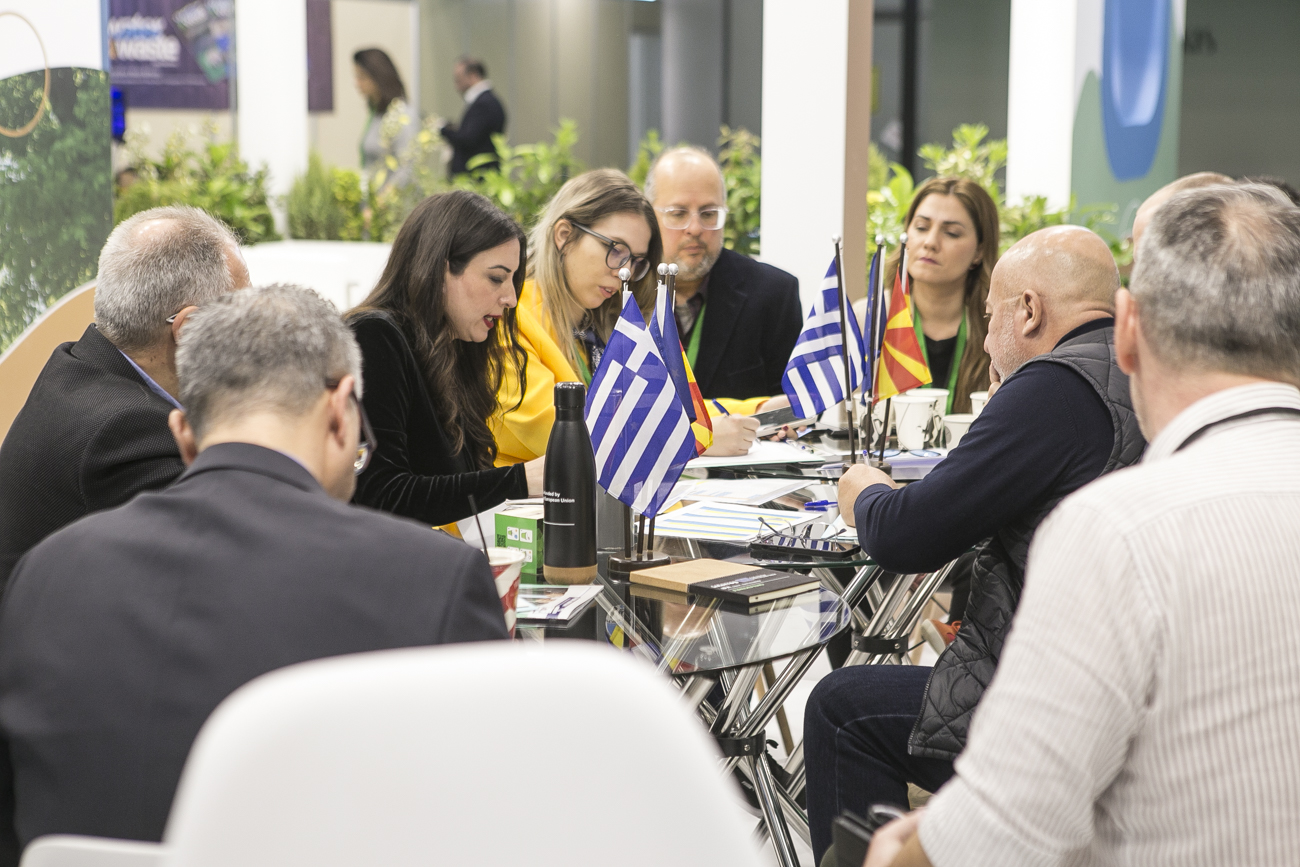
The FIREDEFEND project falls under Priority Axis 1: “Transition to a low carbon economy” and specifically under Specific Objective RSO2.7. The project constitutes an innovative cross-border cooperation between Greece and North Macedonia, with the two organizations joining forces, utilizing their specialized experience in municipal waste management, technical expertise, and administrative capacity.
The goal is to enhance the resilience of waste infrastructure and effectively address illegal waste dumping and fire incidents in Landfill Sites (HYTA). The project fully aligns with the European institutional framework, harmonizing with the requirements of Directive 2018/850/EU (Landfill Management), the Waste Framework Directive, and integrating the goals of the EU Strategy on Adaptation to Climate Change and the European Green Deal.
The project is implemented through four Work Packages (WPs):
- WP1 – Project Management and Coordination
- WP2 – Communication and Dissemination of Results
- WP3 – Capacity Building and Knowledge Transfer for Fire Prevention and Resilience
- WP4 – Pilot Installation of Early Fire Detection Systems in organized Landfills in Greece (Edessa, Giannitsa, Kilkis) and in uncontrolled waste disposal sites in North Macedonia (Bosilovo Municipality).
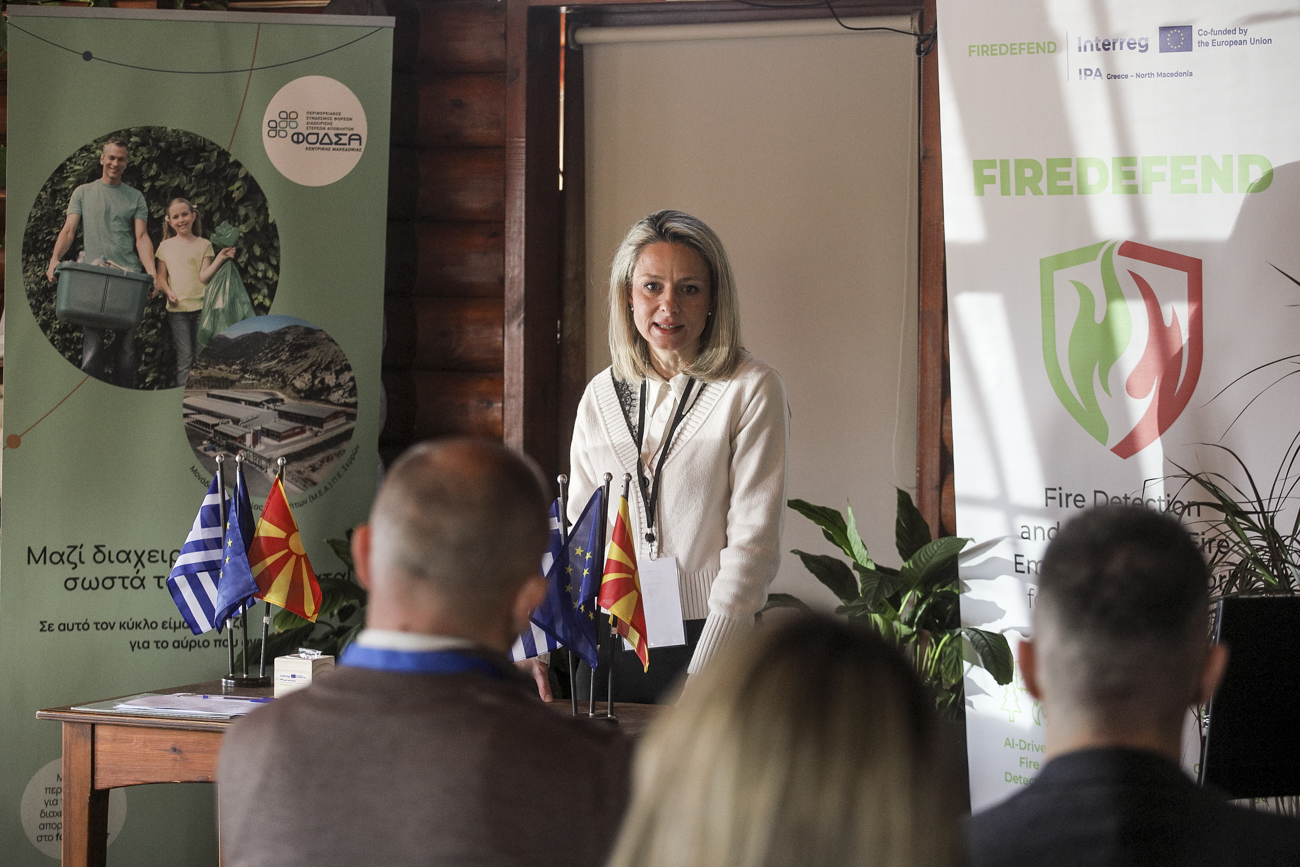
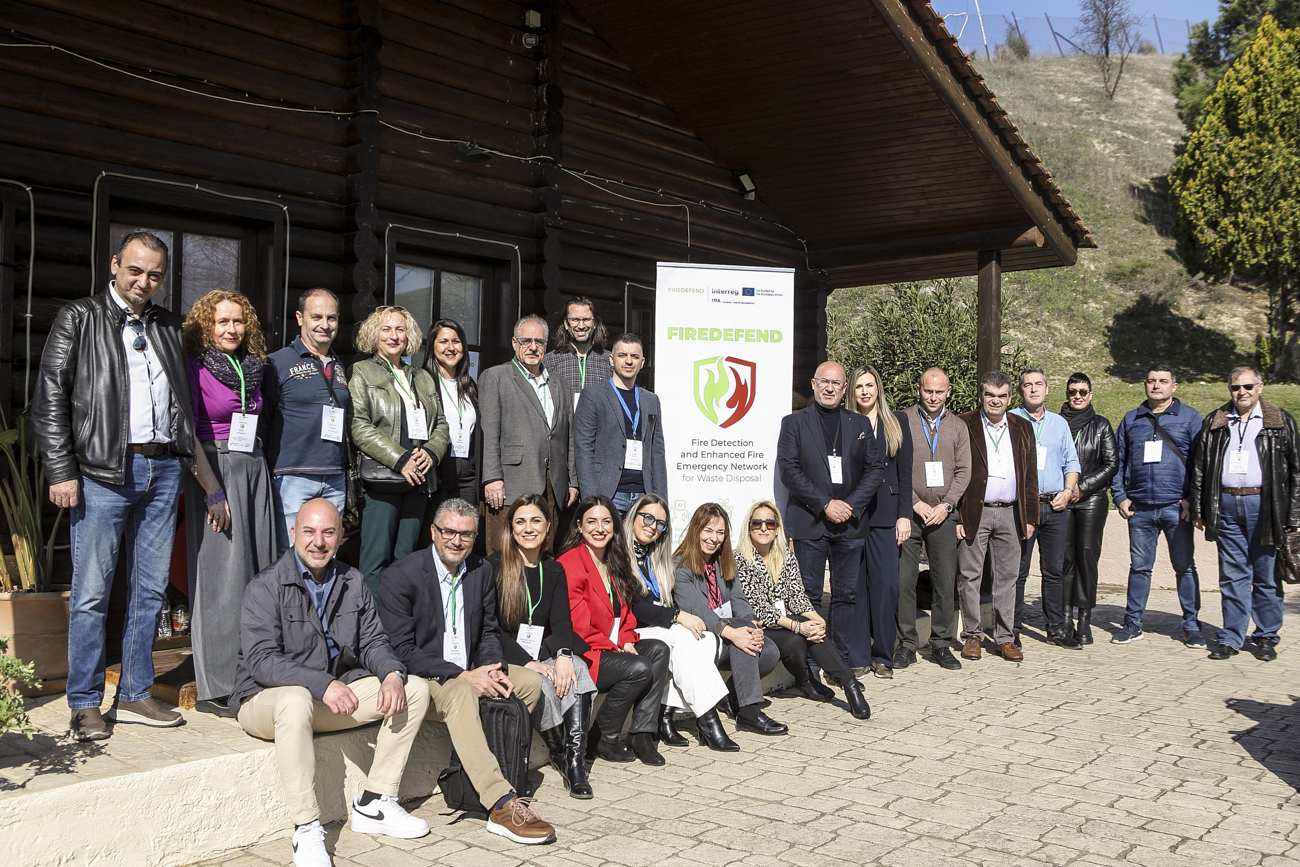
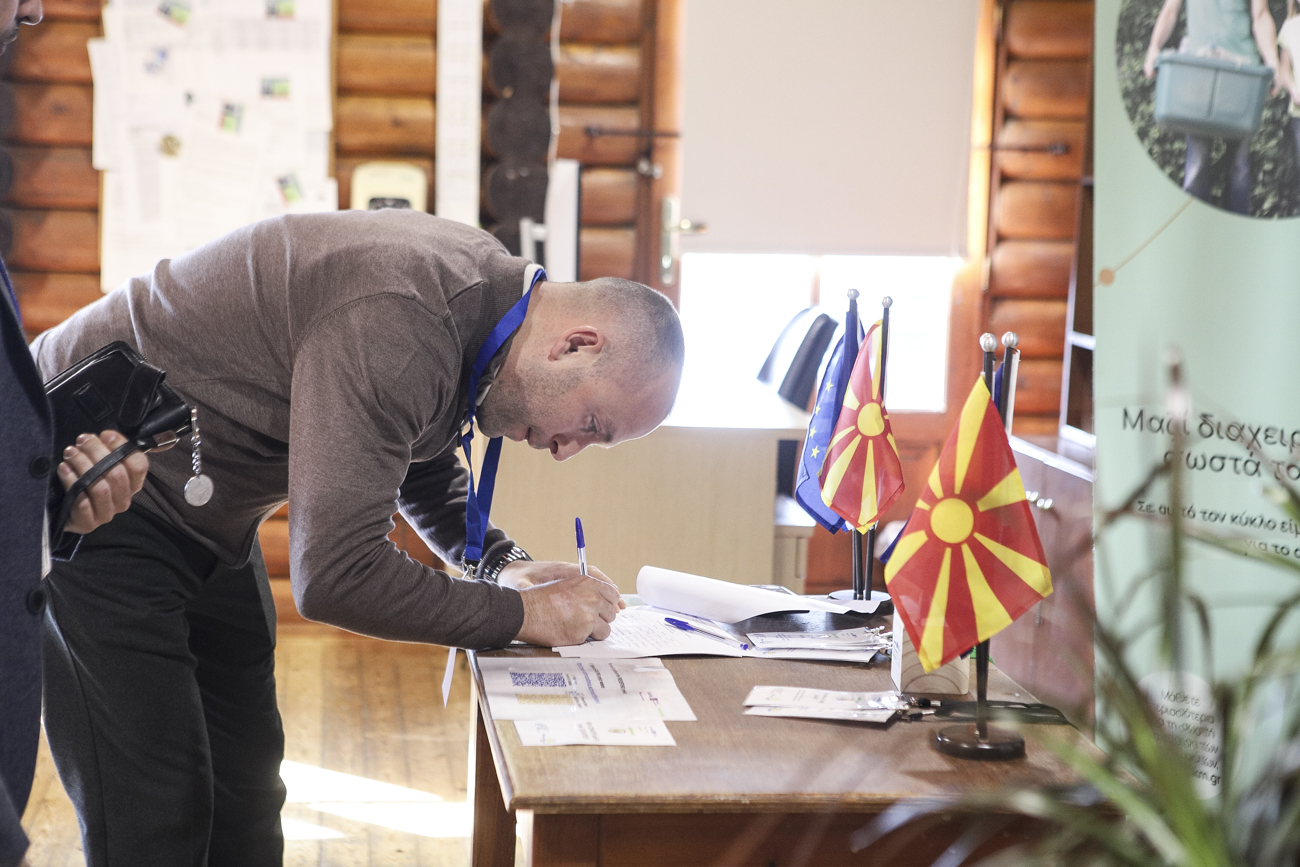
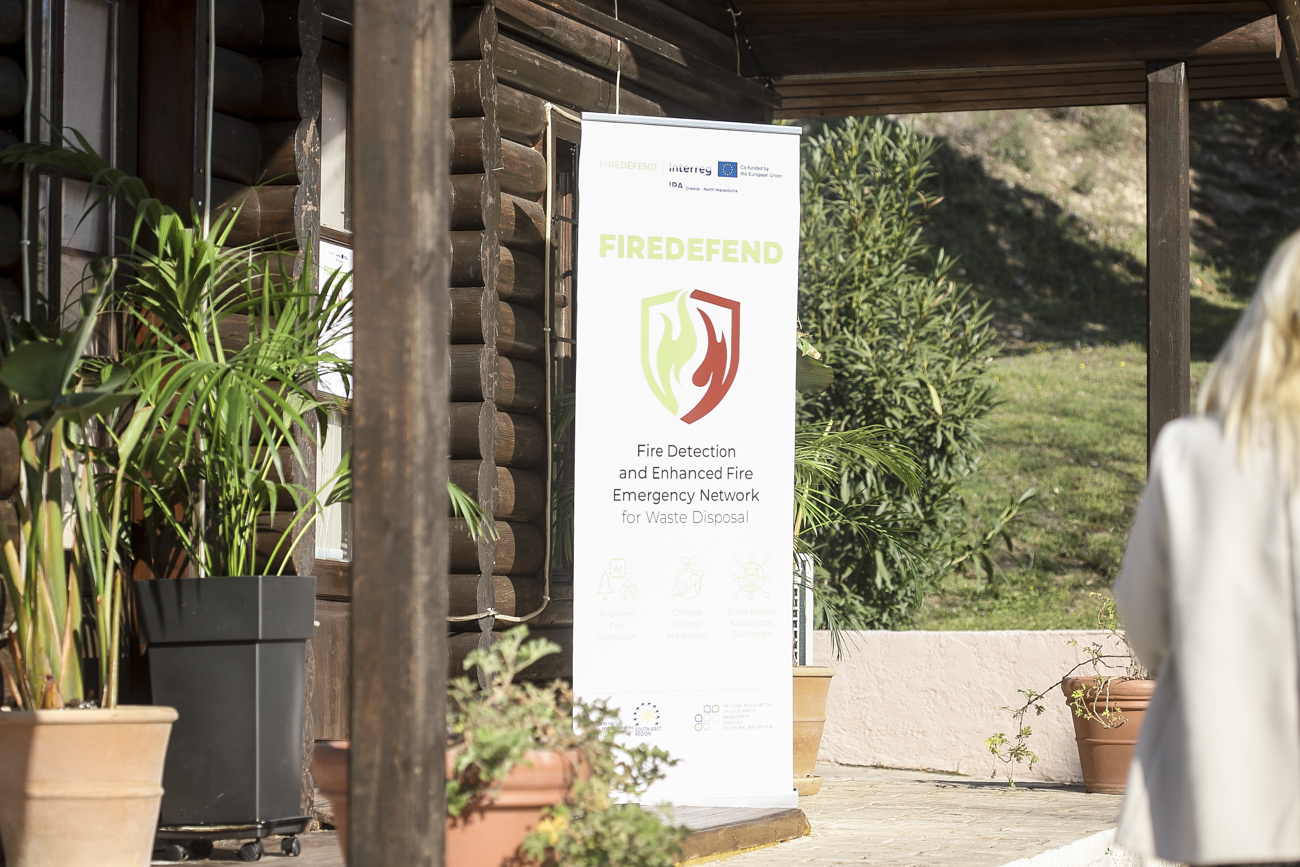
- Data analysis, risk assessment (inference and risk assessment), and development of Sustainability Strategies for the pilot cases.
- Supply and Installation of Autonomous Transportable Early Fire Warning Systems in three Greek pilot areas (Pella and Kilkis Regional Units).
- Supply and Installation of an Early Fire Detection System in illegal dumpsites (North Macedonia).
- Evaluation of the pilot implementation (Pilot assessment) and preparation of a SWOT analysis.
- Field Survey: Conducting a survey and mapping of illegal dumpsites.
- Training: Organization of specialized training seminars for firefighters (on dumpsite fires and detection techniques).
- Project Management Plan.
- Interim and Final Reports.
- Project Communication & Dissemination tasks.
- Project results publication.
- Joint Workshop Report.
- Data Analysis and Risk Assessment Report (for inference and risk assessment for the pilot cases).
- Sustainability Strategies (for the pilot cases).
- Action Plan for Pilot Implementation and Pilot Assessment Report.
- Study/Report from the survey and mapping of illegal dumpsites in North Macedonia.
- “Best Practices” document for waste management and fire detection.
- Comprehensive Study on the Composition and Quantity of Waste in North Macedonia, including analysis of ecological/socio-economic impacts.
- Action Plan for the pilot implementation and monitoring of the Firewatch equipment.
- External Validation Report of the early fire detection system.
- Environmental and Social Impact Assessment Report of fires in uncontrolled landfills.
The project aims to enhance climate resilience and secure waste management in cross-border areas of Greece and North Macedonia.
- In Greece, pilot interventions will implement modern fire detection systems in three organized Landfills (Pella and Kilkis Regional Units). These systems will provide real-time thermal anomaly localization, immediate notification, and activation of response mechanisms, enhancing operational readiness and safety.
- In North Macedonia, the programme focuses on unmapped or uncontrolled dumpsites, such as in the Municipality of Bosilovo, where a fire detection system will be installed in a high-risk site.
- The implementation of these systems, integrated into climate change adaptation initiatives, aims to protect the environment and public safety, effectively addressing potential fires in Landfills and uncontrolled sites, while strengthening cross-border cooperation and knowledge exchange.
- Reduction of fire risk in uncontrolled waste disposal sites.
- Enhancement of the readiness and operational capability of local authorities and civil protection services.
- Improvement of environmental protection and public health.
- Transfer of know-how and strengthening of cross-border cooperation.
- Creation of a basis for long-term, resilient solutions in waste management and fire prevention.